

|
Overview:
|
What are the new minimum energy efficiency standards?
The new minimum energy efficiency standards for Victorian rental properties will be introduced in stages from 1 March 2027, giving rental providers plenty of time to understand the requirements and plan ahead.
The new standards build on Victoria's existing minimum rental standards and focus on some of the most effective ways to improve a property's energy performance. They include:
- Heating
- Cooling
- Hot water
- Shower heads
- Ceiling insulation
- Draughtproofing
Benefiting both renters and rental providers, these changes are designed to improve comfort and reduce energy costs for renters while helping rental providers invest in upgrades that are valued by prospective renters.
Renters are increasingly looking for homes that are comfortable all year round, affordable to run and contribute to environmental sustainability. As expectations continue to change, making energy efficiency improvements helps keep your property competitive. It also helps attract quality renters and encourage longer tenancies.
Timelines and requirements
Heating
From 1 March 2027, when a fixed heater in the living area reaches the end of its life and can't be repaired, it must be replaced with an energy-efficient electric heating system.
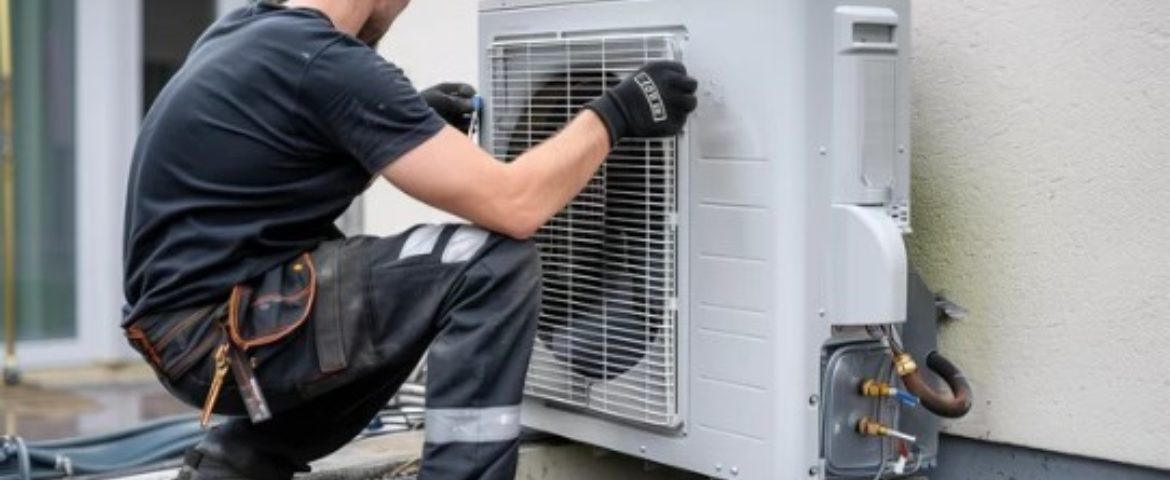
An energy-efficient electric heating system refers to an electric, non-portable, non-ducted air conditioner or heat pump with a 2 star or above GEMS heating rating.
Divided into two stages, from 1 March 2027, rental properties will need to have a fixed cooling system in the main living area when a new rental agreement begins. By 1 July 2030, this requirement will apply to all rental properties, regardless of lease status.
A reverse-cycle air conditioner heats and cools. Installing one in the living area helps you meet both the heating and cooling requirements.
Hot water
From 1 March 2027, if your property's hot water system stops working and can't be repaired, you'll need to replace it with an energy-efficient electric hot water system.
An energy efficient electric hot water system refers to an efficient heat pump water heater and an electric-boosted solar water heater.
Shower heads
From 1 March 2027, rental providers will need to ensure the showers have water-efficient 4-star WELS rating shower heads when starting a new rental agreement or when an existing agreement becomes a month-to-month agreement.
Ceiling insulation
From 1 March 2027, rental properties will need ceiling insulation installed in any ceiling areas that do not already have it. The installation will need to be done when a new rental agreement begins or an existing agreement moves to a month-to-month tenancy and completed by a qualified professional.
Exemptions may apply in certain circumstances. For example:
- There is insufficient ceiling space
- The ceiling cavity cannot be safely accessed
- Heritage protections or owners corporation rules prevent installation
Draughtproofing
From 1 July 2027, gaps around external doors, windows and unused wall vents will need to be sealed to help reduce draughts. This applies when a new rental agreement begins or an existing agreement moves to a periodic tenancy.
If the property has gas appliances, you'll need a gas safety check before any draughtproofing work starts. The check must be carried out by a licensed plumber and be less than six months old when the work is completed.
If the safety check identifies an open-flued or unflued gas appliance, draughtproofing can't go ahead. These appliances can create health and safety risks in a more tightly sealed home.
Support for Rental Providers
A range of rebates and discounts are available to assist with upgrade costs. To find out more, visit Department of Energy, Environment and Climate Action (DEECA) website.
Staying compliant is easy with Miles
Keeping up with changing rental standards is easy when you work with Miles. Our Residential Property Management team is always up to date with the latest rental law changes and can help you understand how the new requirements apply to your property.
If upgrades or replacements are needed, Miles Concierge can connect you with trusted trades and service providers who can complete the work at competitive rates – making it easier to keep your property compliant.