


At some point, many homeowners face the same question: should you refresh your existing home, renovate it completely, or start again with a brand-new build? The answer ultimately depends on your budget, lifestyle goals, timeframe, and the condition of the property itself. Each pathway offers its own advantages and challenges, and understanding the difference can help you make a more informed decision both financially and emotionally.
For some homes, a simple cosmetic refresh can completely transform the feel of the property and dramatically improve presentation. For others, a more substantial renovation or even a full rebuild may deliver better long-term value and functionality.
The Power of a Cosmetic Refresh
A cosmetic refresh is often the quickest and most cost-effective way to modernise a home. These projects typically focus on visual improvements rather than structural changes and can include painting, flooring, lighting upgrades, landscaping, kitchen and bathroom facelifts, window furnishings, and styling updates.
The biggest advantage of a cosmetic refresh is its affordability relative to the impact it can create. Fresh paint, updated finishes, improved lighting, and modern fixtures can instantly make a property feel brighter, larger, and more contemporary. Homes that already have a strong floorplan and good functionality often benefit enormously from these surface-level improvements.
Another key benefit is speed. Unlike larger-scale construction projects, cosmetic works can often be completed within weeks rather than months, minimising disruption and allowing homeowners to enjoy the results sooner. In many cases, owners can continue living in the property while the works are carried out.
Cosmetic updates can also deliver strong returns when preparing a property for sale. Buyers are naturally drawn to homes that feel fresh, well-maintained, and move-in ready. Simple improvements can significantly increase perceived value without requiring the expense of major construction.
Importantly, refreshing a home also allows owners to retain the charm and character of older properties while modernising the presentation around them. For examples, please visit the Miles Concierge gallery.
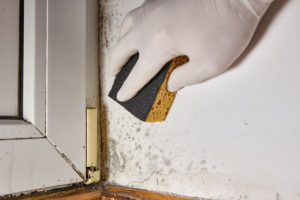
However, cosmetic updates do have limitations. While the home may look transformed, underlying issues such as outdated plumbing, electrical systems, poor insulation, or structural concerns may still remain. Cosmetic works also won’t solve functional problems like awkward layouts, limited storage, or small living spaces.
When Renovating Makes Sense
For homeowners who love their location but need better functionality, a renovation can provide the ideal middle ground between refreshing and rebuilding.
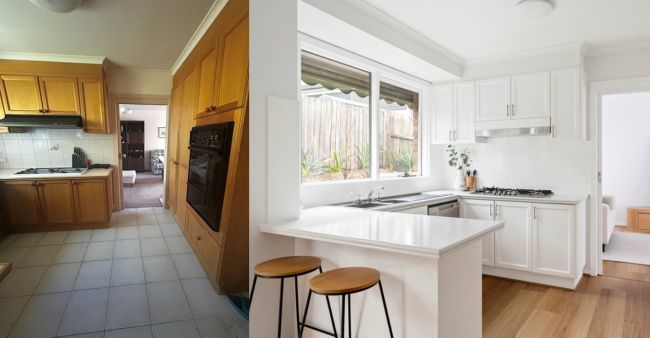
Renovations go beyond appearance and may involve structural changes, extensions, reconfigured layouts, or substantial kitchen and bathroom upgrades. These projects allow owners to tailor the home to better suit their lifestyle while retaining elements of the existing property they still value.
One of the greatest benefits of renovating is the opportunity to improve how the home actually works. Renovations can introduce better natural light, stronger indoor-outdoor flow, improved energy efficiency, and more practical living spaces. In tightly held suburbs where land is limited, a well-designed renovation can also add significant market value.
For many families, staying in the same street, school zone, or neighbourhood is one of the biggest reasons to renovate rather than move or rebuild entirely.
That said, renovations often come with more complexity than homeowners initially expect. Once walls and floors are opened up, hidden issues such as asbestos, structural damage, outdated wiring, or drainage problems can quickly increase budgets. Timelines can also stretch due to permit approvals, weather delays, or trade availability.
Unlike a new build, renovations also require working around existing structures, which can sometimes limit design flexibility and create compromises in layout or finish.
Starting Again With a New Build
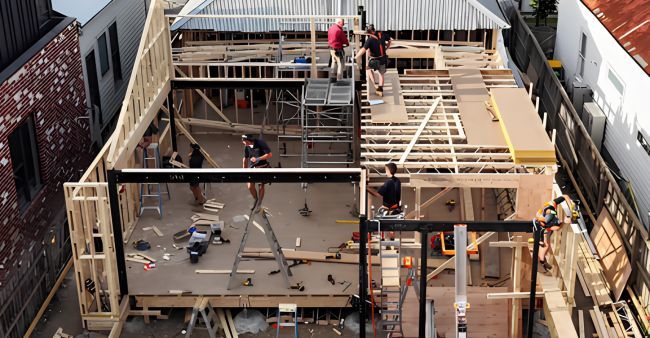
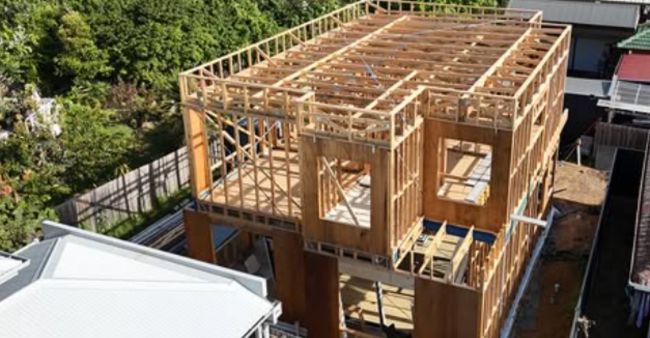
In some situations, starting from scratch offers the best long-term outcome. Knockdown rebuilds and new builds provide complete freedom to design a home that perfectly suits modern living, future family needs, and the full potential of the site.
Building new allows homeowners to customise everything — from orientation and floorplan through to storage, finishes, sustainability, and energy efficiency. New homes also benefit from modern building standards, lower maintenance requirements, and updated materials and warranties.
For premium blocks where the existing dwelling underutilises the land, rebuilding can unlock substantial additional value and dramatically improve street appeal.
However, rebuilding is typically the most expensive and time-consuming option. Demolition costs, permits, consultants, design fees, and construction expenses can add up quickly, and projects often take years from initial planning through to completion.
There is also an emotional side to rebuilding. Demolishing a long-held family home or a character property can be difficult for many owners. In addition, planning restrictions, neighbourhood character overlays, and council requirements can sometimes limit design possibilities.
A rebuild also usually requires homeowners to relocate entirely during construction, which can add further costs and disruption.
Choosing the Right Option
There is no universal answer when deciding between refreshing, renovating, or rebuilding. The right solution depends entirely on the property itself and what you are trying to achieve.
A cosmetic refresh may be ideal when the home already functions well and simply needs updating or improved presentation. Renovating often makes the most sense when the property has strong foundations but requires more space, better flow, or greater functionality. Rebuilding may become the smarter option when the existing home is no longer practical to repair or when maximising the site’s long-term potential is the priority.
Ultimately, the best property decisions balance emotional attachment with financial practicality. With careful planning and the right advice, any of these pathways can create a home that better supports your lifestyle while enhancing both enjoyment and future value.