

Dampness is a surprisingly common issue in Australian homes, and rising damp is one of the more insidious forms because it can quietly damage both the structure and the indoor environment. Research suggests that around one in four Australian homes (about 26%) has some form of dampness problem, which can lead to mould, reduced indoor air quality, and long‑term damage if not addressed early. This means that many homeowners and buyers in Melbourne and the Banyule region are living with moisture issues they may not fully understand or recognise.
This article explains what rising damp is, how to spot the signs, and what you can do if you suspect it in your home. It also covers how rising damp differs from other types of damp, why diagnosing the root cause matters, and when it’s time to consider a rising damp treatment or seek advice from a building inspector or rising damp specialist. For both prospective buyers inspecting older homes and current owners in places like Ivanhoe, Heidelberg, or Greensborough, this guidance can help protect property value, comfort, and long‑term liveability.
What Is rising damp?
Rising damp is a type of moisture problem where water from the ground moves up through porous materials like brick or masonry and into the walls of a home. This usually happens near the base of the wall and can carry salts from the soil, which are left behind as the moisture evaporates. These salts can crystallise on the surface, leaving behind a white, powdery residue.
Rising damp is often mistaken for other types of damp, such as condensation or water leaks, but the key difference is that the moisture is coming from the ground up rather than from the air or the roof. It’s more common in older solid‑brick homes and in properties where the original damp‑proof course may have been damaged or bridged over time. If you’re trying to identify what is rising damp, patterns like tide marks near the floor level and repeated damp patches can be strong clues, especially in Melbourne’s post‑war and older inner‑northern homes.
What are the signs of rising damp?
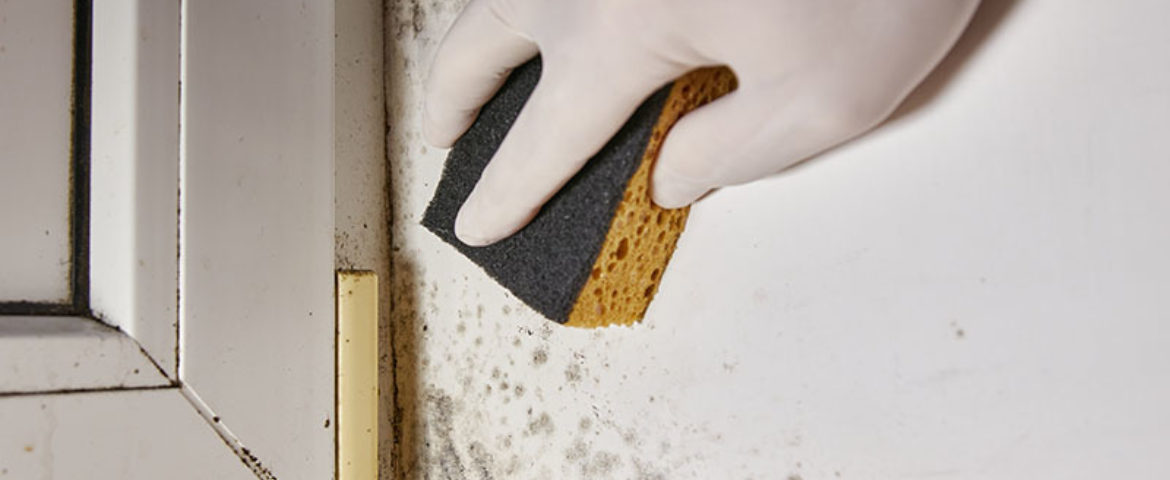
Homeowners can often spot the early signs of rising damp before serious damage occurs. Common clues include dark or tide‑mark stains near the bottom of walls, a musty smell in the room, and patches of dampness that repeat at roughly the same height around the room.
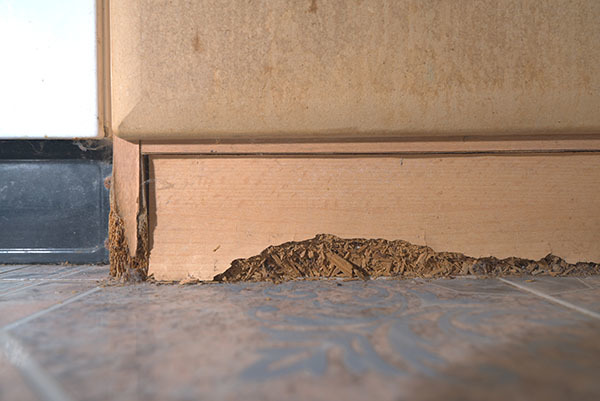
Other tell‑tale signs are white, powdery salt deposits on plaster or brickwork, peeling or bubbling paint, crumbling or soft plaster, and discoloured or rotting skirting boards. If you notice several of these symptoms clustered near the floor level, it’s worth considering rising damp as a possible cause rather than just a cosmetic issue. Persistent patterns like this are a good reason for owners and buyers alike to investigate further and consider a tailored rising damp treatment or professional advice.
Can it cause property damage?
Left untreated, rising damp can cause real damage to both the structure and the indoor environment of a home. Moisture can weaken plaster and brickwork, cause timber elements like skirting boards and floorboards to rot, and encourage the growth of mould and dust mites.
Over time, persistent damp can also affect the indoor air quality, which may be a concern for people with respiratory sensitivities. Because rising damp is driven by the movement of water from the ground, it can slowly undermine the integrity of walls and floors, especially in older properties where the original construction materials are already under stress. For buyers looking at older homes in Banyule, understanding what rising damp is and how it progresses can help them make more informed decisions and plan for any necessary remediation.
How do you prevent rising damp?
Preventing rising damp, or knowing how to prevent rising damp, often comes down to good design and maintenance around the base of the house. A properly installed and unbroken damp‑proof course (DPC) is one of the most important defences, as it acts as a barrier to stop moisture climbing up the wall.
Keeping ground levels outside the home below the level of the DPC, ensuring good sub‑floor ventilation, and managing drainage and gutters effectively can all help reduce the risk. Clearing away soil, paving, or garden beds that have been built up against the brickwork can also stop them from “bridging” the damp‑proof course and letting moisture find a way around it. For older homes in Melbourne and the Banyule area, simple landscaping and ventilation tweaks can go a long way toward keeping rising damp under control and improving the environmental quality of the property.
How do you respond when you spot signs of rising damp?
If you start to see signs of rising damp in your home, the first step is not to jump straight into cosmetic fixes like re‑plastering or repainting. These may hide the symptoms for a while, but they won’t stop the underlying moisture movement.
A better approach is to carefully document the areas where the damp appears, note the height of any tide marks, and check for other potential causes such as leaking pipes, overflows, or ponding water around the house. If the pattern looks like it’s coming from the base of the wall and spreading upwards, it’s wise to bring in a qualified building inspector or a rising damp specialist to help identify the exact cause before any major work is done. A targeted rising damp treatment plan, tailored to the property, is often more effective than a generic damp‑fix package and can help both buyers and owners understand the long‑term outlook for the home. If you would like assistance orgainsing a damp‑proof course installation in your home or would like someone to come out and assess your property for dampness, the Miles Concierge team can help. With Miles Concierge, you get access to trusted and experienced trades and service providers at fair prices, all organised for you from the initial quote to the finished work. We can also help with home maintenance tasks.
How rising damp differs from condensation and other damp problems
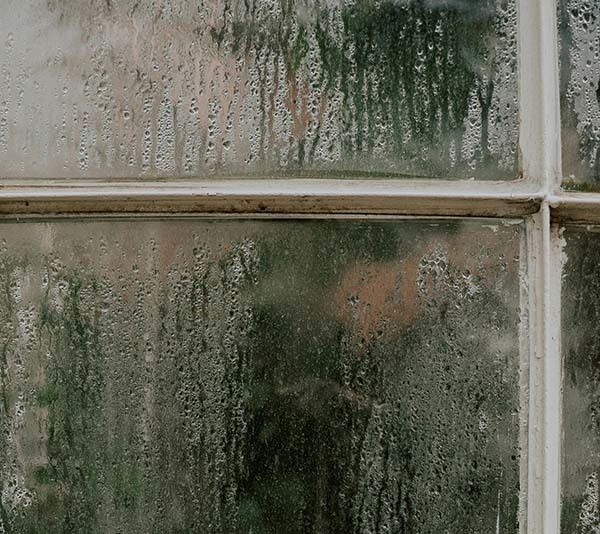
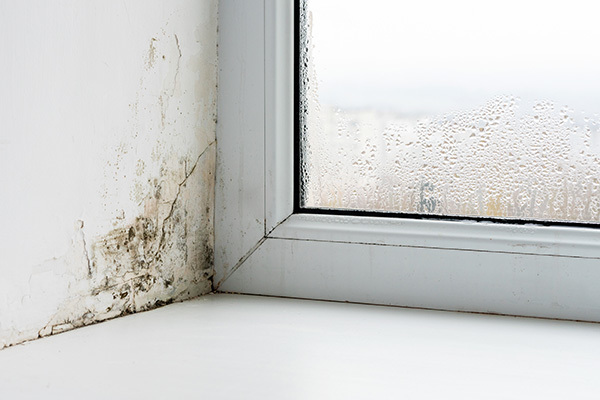
Many damp issues look similar but have very different causes. Condensation, for example, often appears in corners, at ceiling‑wall junctions, or around windows, where moist air meets a cold surface. In contrast, rising damp tends to show up in a horizontal band near the bottom of walls, following the path of moisture moving up from the ground.
Other damp sources include leaking plumbing, blocked gutters, or water entering through cracks in the building envelope. Because these problems require different solutions, it’s important to distinguish between them. A professional assessment can help confirm whether the issue is rising damp or something else entirely, which is especially useful for buyers inspecting older homes or homeowners in Melbourne suburbs such as Ivanhoe, Bundoora, and Greensborough.
Key causes of rising damp in older and solid‑brick homes
In older and solid‑brick homes, rising damp is often linked to a compromised or bypassed damp‑proof course. This can happen if the DPC itself has deteriorated, if soil or paving has been built up above it, or if repairs or extensions have unintentionally bridged the barrier.
Changes to the surrounding landscape such as lowering the street level, adding a new driveway, or building a path right up to the brickwork can also put extra pressure on the DPC. If the ground outside the house ends up higher than the course, moisture can more easily find its way into the wall and start to rise. For these older homes, especially in established Banyule‑style streets, a rising damp treatment that addresses the DPC and surrounding conditions is usually the most effective way forward for owners and buyers alike.
The role of sub‑floor ventilation and ground levels in rising damp
Sub‑floor areas play a big role in how damp affects a home. If the space under the floor is poorly ventilated, warm, moist air can build up and create a humid environment that makes it harder for moisture to escape. Over time, this can contribute to rising damp patterns in nearby walls.
Similarly, if the ground outside the house has risen over the years through added soil, paths, or patios this can raise the water table around the foundation and increase the pressure on the damp‑proof course. Managing both sub‑floor ventilation and external ground levels is therefore an important part of tackling or preventing rising damp. In some cases, a rising damp specialist can recommend ventilation upgrades as part of a wider treatment plan, which can be particularly valuable for older homes in Melbourne’s inner‑northern suburbs.
Drainage, paving, and garden beds that worsen rising damp
Good drainage around a home helps direct water away from the walls and foundation, while poor drainage can do the opposite. Blocked gutters, cracked downpipes, or sloping paths that send water toward the house can all contribute to rising damp patterns inside the building.
Paving, garden beds, or retaining walls that are built up against the brickwork can also trap moisture against the wall and allow it to be absorbed. If these features are raised above the level of the damp‑proof course, they can act as a bridge that lets moisture by‑pass the barrier and enter the wall from the side rather than from below. For homeowners who want to minimise the risk, careful landscaping and simple prevention measures can make a big difference, especially in homes with established gardens and paths.
Typical treatment and remediation options for rising damp
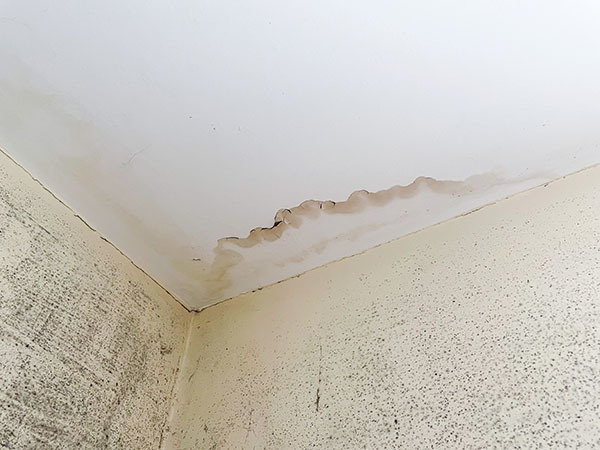
Treatment for rising damp usually focuses on fixing the root cause rather than just covering up the symptoms. This can involve repairing or replacing a damaged damp‑proof course, lowering or removing soil or paving that has been built up above the course, and improving sub‑floor ventilation.
In some cases, a rising damp treatment may also include re‑pointing brickwork, installing new vents, or using mechanical fans to move air more effectively under the floor. The exact approach depends on the age of the home, the construction type, and the way the damp is entering the wall, which is why tailored solutions are important. A qualified rising damp specialist can help design a treatment plan that suits the specific property, rather than applying a one‑size‑fits‑all fix. If you won an investment property you may be able to claim the cost of the repairs in your next tax return. See our Rental Property Deductions article for more information about what you can claim at tax time.
Why diagnosing the root cause matters before starting repairs
Because rising damp can look similar to other moisture problems, jumping straight into a standard “damp‑treatment” package can be ineffective or even unnecessary. If the real issue is condensation, a leaking pipe, or poor drainage, a standard rising damp solution won’t address the source of the problem.
That’s why taking time to properly diagnose the cause first is crucial. A thorough inspection can identify whether the moisture is coming from the ground, the air, or elsewhere, and help decide on the most appropriate and cost‑effective strategy. Fixing the right problem also reduces the chance of the damp returning in the future and ensures that any rising damp treatment delivers long‑term results.
How rising damp can impact property value and inspections
From a property‑value standpoint, rising damp can be a red flag during inspections. Visible tide marks, mould, or soft, crumbly plaster can signal underlying moisture issues that may concern buyers or valuers, especially if the damage extends into structural elements or timber floors.
When buyers understand that rising damp is often tied to older construction methods or specific building faults, they may factor in the cost of repairs or ask for a price reduction. On the other hand, documented remediation such as a repaired damp‑proof course or upgraded ventilation can reassure buyers and improve the overall perception of the property’s condition. For homeowners thinking about selling, addressing rising damp early can help protect both value and buyer confidence, which is important in competitive markets like Banyule and surrounding Melbourne suburbs.
When to consult a building inspector or specialist about rising damp
If you’re seeing persistent signs of damp near the base of your walls or if you’re unsure whether it’s rising damp, condensation, or something else, it’s a good idea to consult a building inspector or a rising damp specialist. These professionals can carry out targeted tests, assess the condition of the damp‑proof course, and clarify the source of the moisture.
They can also advise on whether repairs are needed, what kind of work is appropriate, and how to prioritise the most important fixes. For homeowners planning to sell or buyers inspecting a property in Melbourne or Banyule, having this advice early can help make more informed decisions and avoid unexpected issues later in the process. A specialist rising damp treatment plan can also give peace of mind that the problem has been properly addressed, not just painted over, and can support a smoother transaction when it comes time to buy or sell.
Conclusion
This article has explained what rising damp is, how to recognise the signs, and what can happen if it’s left untreated. We’ve looked at the difference between rising damp and other types of moisture problems, the common causes in older and solid‑brick homes, and the role of sub‑floor ventilation, drainage, and ground levels. Understanding how to prevent rising damp, and knowing when to respond with a professional inspection or a targeted rising damp treatment, can help protect both the structure of the home and the health of the people living in it.
Rising damp doesn’t have to be a permanent problem, but it does need the right diagnosis and targeted action. By paying attention to visible signs, managing the conditions around the base of the house, and seeking advice from a qualified building inspector or rising damp specialist when needed, both homeowners and property buyers in Melbourne can keep damp under control and maintain the long‑term value and comfort of their property.