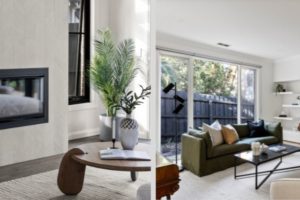


Lighting is one of the most influential yet often underestimated elements in home design. It doesn’t just help you see your space—it shapes how you feel in it, how large or small rooms appear, and even how colours and materials are perceived. A well-lit home feels inviting, functional, and balanced, while poor lighting can make even the most beautifully designed space feel flat or unwelcoming.
Understanding how to combine artificial lighting with thoughtful colour choices, finishes, and furnishings can completely transform your home.
Artificial Lighting: The Foundation of Atmosphere
Artificial lighting is the backbone of your home’s visual comfort once natural light fades or is not as accessible based on a property’s location or surrounds. The key is layering different types of lighting rather than relying on a single source.
Ambient lighting
This is your general, overall light—think ceiling fixtures, downlights, or pendant lights. It provides the base illumination for a room, but on its own it can feel harsh or uninspiring.
Task lighting
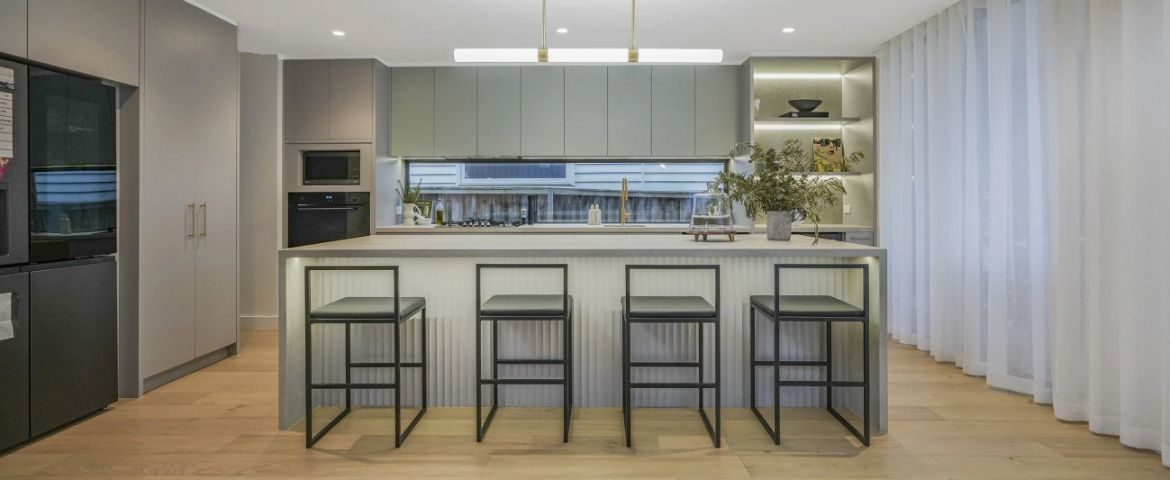
Task lighting is functional and focused, designed for specific activities such as reading, cooking, or working. Examples include kitchen bench lights, desk lamps, and bedside lights. This type of lighting improves usability and reduces eye strain.
Accent lighting
Accent lighting is where personality comes in. It highlights features like artwork, architectural details, or shelving. Wall sconces or LED strip lighting can add depth and warmth, creating visual interest and dimension.
A well-designed home uses all three layers together, creating flexibility and mood control throughout the day.
Colour and Light: A Powerful Relationship
Every surface in your home reflects light - this means your choice of colours and materials play a major role in how bright or dull your home feels.
Paint colours
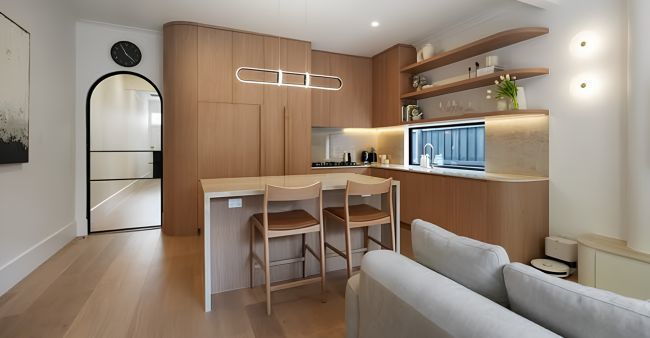
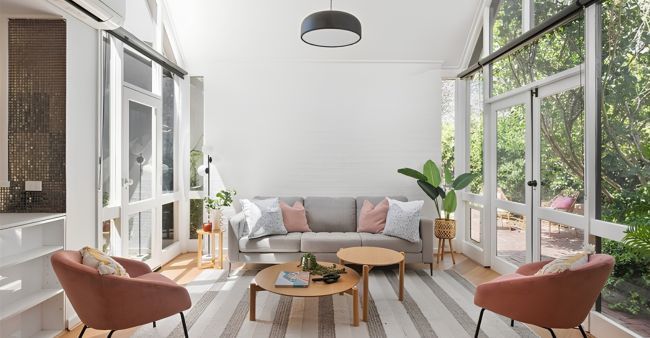
Lighter paint colours such as soft whites, warm neutrals, and pale greys reflect light and help rooms feel more open and airy. Darker tones can create intimacy and drama but may require stronger lighting to avoid a heavy or closed-in feel.
The undertone of paint also matters. Warm whites pair beautifully with warm lighting, while cooler greys work best with crisp, neutral light sources.
Flooring and carpets
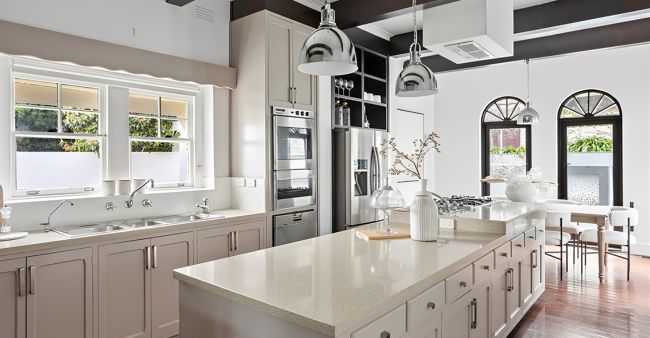
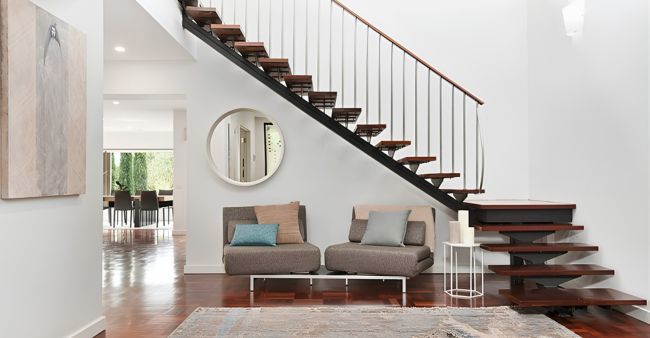
Flooring has a surprising impact on light distribution. Light timber, pale carpets, or stone surfaces help bounce light around a room. Dark flooring absorbs light and can create contrast, which works well in larger, well-lit spaces but may need compensation through additional lighting layers.
Window dressings
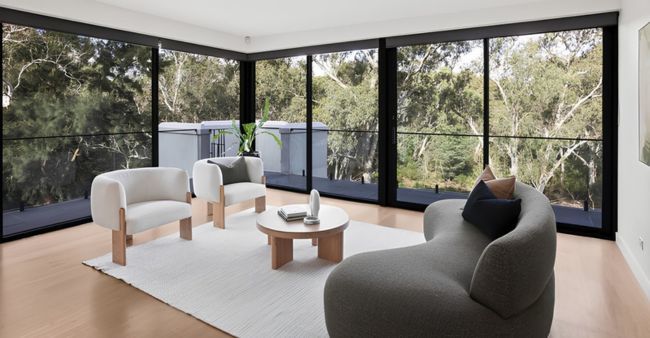
Curtains, blinds, and sheers all influence how natural light enters your home. Heavy fabrics block light and create a cosy atmosphere, while sheer curtains diffuse sunlight and soften the room. The right balance ensures privacy without sacrificing brightness.
Furniture Choices and Spatial Light Flow
Furniture placement and material selection can either enhance or block light flow within a home.
Reflective and light materials
Glass, mirrors, polished surfaces, and lighter upholstery help reflect both natural and artificial light. Strategically placed mirrors can double the perception of light and space, especially in smaller rooms or hallways.
Bulky or dark furniture
Oversized or dark-toned furniture can absorb light and make a room feel smaller or more enclosed. This doesn’t mean avoiding them entirely—but they should be balanced with lighter elements and well-placed lighting.
Layout matters
Even the most beautifully lit room can feel dim if furniture obstructs light sources. Keeping windows, lamps, and light pathways clear helps maintain brightness and flow.
Natural Light: The Starting Point
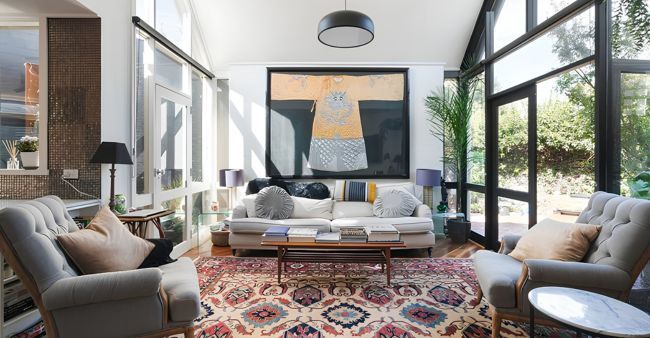
While artificial lighting is essential, natural light remains the most desirable source. Maximising it should always be a priority.
- Use sheer or adjustable window coverings
- Keep window areas uncluttered
- Position mirrors opposite windows where possible
- Choose lighter finishes in key living areas
Natural light changes throughout the day, so combining it with layered artificial lighting ensures your home remains comfortable and inviting at all times.
Bringing It All Together
Great lighting is essential to creating a comfortable, functional, and visually appealing home, as it influences how spaces feel, how large they appear, and how colours and materials are perceived. A well-designed lighting plan combines layered artificial lighting—ambient, task, and accent—with thoughtful choices in paint colours, flooring, window dressings, and furniture to enhance brightness and flow throughout the home. When balanced effectively with natural light, these elements work together to create a cohesive atmosphere that elevates both the practicality and overall ambience of any space.
If you would like assistance bringing colour and light together in your home our trusted trade partner Alison, from Leeder Interiors is running a special offer in our EOFY Special Offers promotion.