


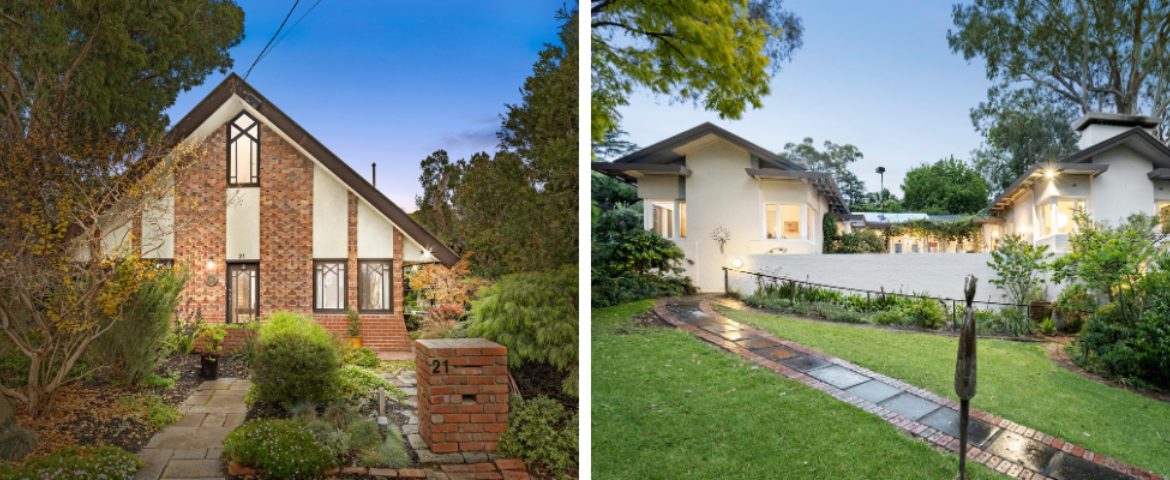
Nestled in the rolling hills of Banyule, Eaglemont carries a quiet but powerful legacy shaped by one of the most influential names in Australian architecture and town planning: Walter Burley Griffin. In the early 20th century, he transformed the Mount Eagle Estate and Glenard Estate, Eaglemont from open land into carefully designed garden suburbs where street layouts, house placement, and green space were all orchestrated to work with the natural landscape.
Today, Eaglemont’s history is closely tied to Griffin’s architectural philosophy. Consisting of organic design that blends buildings and nature rather than forcing one over the other. From curving roads that follow the contours of the land to large, garden‑filled blocks, that early 20th‑century vision still shapes what it feels like to live in Eaglemont, making it one of Melbourne’s most distinctive and desirable suburbs.
Who Was Walter Burley Griffin?
Walter Burley Griffin was an American architect, landscape designer, and town planner whose work left a deep mark on Australian cities and suburbs. Best known for winning the competition to design Canberra, Griffin also shaped towns like Griffith and Leeton in New South Wales, as well as several carefully planned garden suburbs.
At the heart of Walter Burley Griffin architecture was a belief in “organic architecture” – buildings and landscapes that work together, responding to nature rather than fighting it. In Australian town planning, this meant curving layouts, green corridors, and designs that followed the land’s natural shape and views, a philosophy that still feels ahead of its time today.
The Vision for Mount Eagle and Glenard
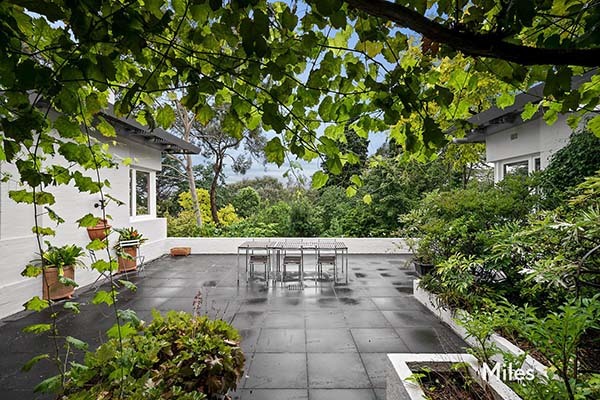
In the early 20th century, Griffin turned his attention to Eaglemont, designing the Mount Eagle Estate and the Glenard Estate as two of his earliest garden‑suburb projects in Australia. Rather than imposing a rigid grid of streets and small blocks, he saw these estates as living communities that should flow with the land, preserve bushland, and maximise views.
The griffin mount eagle estate and Glenard Estate Eaglemont were both planned around the idea of low‑density living, with homes nestled into the contours of the landscape and shared park‑like spaces woven through the subdivision. This approach was fundamentally different from the conventional, rectangular subdivisions of the time and gave Eaglemont an identity that still sets it apart.
Design Principles That Shaped Eaglemont
Griffin’s thinking for Mount Eagle Estate Eaglemont was guided by a few clear principles. Streets followed the natural topography, with gentle curves that echoed the ridges and gullies rather than cutting straight lines across them. These topography‑led layouts not only reduced visual intrusion but also created a sense of privacy and quiet that many residents still value today.
He also favoured larger blocks so homes could be integrated with gardens, trees, and open space, giving each property room to breathe. Architecture was expected to respond to the landscape: low‑slung roofs, strong horizontal lines, and thoughtful orientation to light and views helped houses feel like natural extensions of the site rather than rigid geometric shapes plopped onto it.
Why Eaglemont Was Different
From the start, Eaglemont’s history was tied to creativity and a more thoughtful way of living. The Glenard Estate and Mount Eagle Estate attracted doctors, artists, writers, and professionals who were drawn to the leafy, spacious character of the area. That legacy lives on. Eaglemont today is known for its tightly held properties, lush streetscapes, and a strong sense of community, often described as a place where people tend to stay for life.
For anyone exploring Eaglemont Victoria history, it’s clear that Walter Burley Griffin’s fingerprints are still visible in the shape of the streets, the placement of the homes, and the way the suburb feels more like a garden suburb than a typical urban fringe. As a long‑standing Banyule property specialist, Miles Real Estate understands how deeply this heritage contributes to the suburb’s character and appeal.
Walter Burley Griffin’s Legacy
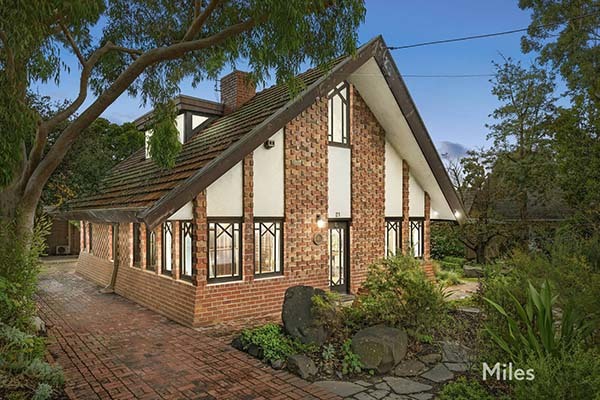
Griffin’s work in Eaglemont helped lay the foundations for heritage overlays that now protect the design integrity of the Glenard Estate and Mount Eagle Estate. Those protections mean that new development must still respect the original intent: curved streets, generous green space, and buildings that sit comfortably within the landscape.
That continuity of vision is a big part of why Eaglemont remains so desirable. The Walter Burley Griffin architecture principles embedded in the suburb, integration with nature, strong community spaces, and thoughtful density translate into lasting amenity and long‑term value for property owners.
Interested in living in the Banyule region? View our current properties for sale or learn more about our local suburbs. Contact Miles Real Estate, your Banyule property specialists, to discover how the area’s artistic heritage defines life in Eaglemont, Ivanhoe, and beyond. For more information about Walter Burley Griffin and the Mount Eagle Estate visit The Walter Burley Griffin Society.


